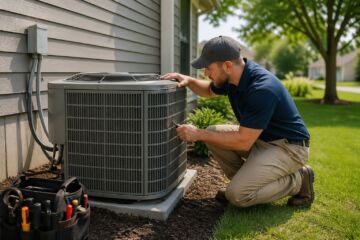
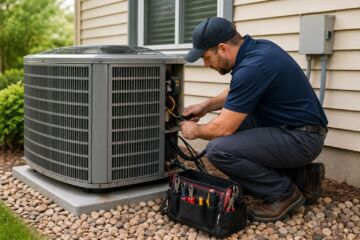
When something goes wrong with a heating or cooling system, many homeowners in Independence, Blue Springs, Lee’s Summit, and Kansas City, MO are tempted to try a quick DIY fix. With so many videos and tutorials online, it can seem like repairing an HVAC system is no more complicated than fixing a leaky faucet. The truth is very different.
At Able Heating and Cooling, we regularly see the aftermath of well-intended DIY repairs that ended up making the problem worse, more expensive, and sometimes dangerous. While small maintenance tasks are fine for homeowners, most HVAC repairs involve electrical systems, pressurized refrigerant, or gas connections that should only be handled by trained professionals.
Before you reach for your toolbox, it is worth understanding what is truly at stake when choosing between DIY repairs and hiring a professional HVAC company.
Why HVAC Systems Are More Complex Than They Look
Your HVAC system is not just a single machine. It is a network of components working together, including motors, control boards, sensors, gas valves, heat exchangers, refrigerant lines, and electrical circuits. When one part fails, it can affect several others.
In many Kansas City area homes, what appears to be a simple issue, such as weak airflow or strange noises, is actually a symptom of a deeper problem. Without proper diagnostic tools, homeowners often replace the wrong parts or adjust settings that do not address the root cause. This leads to repeated breakdowns, higher energy bills, and unnecessary stress.
Professional technicians use specialized diagnostic equipment to test components, measure pressures, and read fault codes. This allows them to identify the true cause of the problem and fix it correctly the first time.
The Real Safety Risks Of DIY HVAC Repairs
One of the biggest reasons to avoid DIY HVAC repair is safety. Heating and cooling systems involve multiple hazards that are not always obvious until something goes wrong.
Some of the most serious risks include:
- Electrical shock: HVAC systems operate on high-voltage power. Accidentally touching the wrong wire or component can cause severe injury or worse.
- Gas leaks: Furnaces and other gas-powered systems rely on sealed fuel lines. A loose or damaged connection can lead to fire hazards or carbon monoxide exposure.
- Refrigerant exposure: Refrigerant is stored under pressure and can cause serious injury if released improperly. It also requires certified handling under federal regulations.
The U.S. Environmental Protection Agency explains that refrigerants must be handled by certified professionals because improper handling can be dangerous to both people and the environment. U.S. Environmental Protection Agency.
We have seen homeowners in Lee’s Summit and Blue Springs attempt to fix what they thought was a minor cooling issue, only to accidentally damage refrigerant lines or electrical components. In many cases, the repair bill after the DIY attempt was far higher than it would have been if a professional had been called first.
How DIY Repairs Often Make Problems Worse
DIY HVAC repairs rarely fail in a simple way. More often, they partially fix one symptom while creating new issues somewhere else in the system.
Common outcomes of improper DIY work include:
- Incorrect wiring that damages control boards
- Improper airflow adjustments that strain motors
- Incorrect refrigerant levels that damage compressors
- Loose gas or vent connections that create safety hazards
In Kansas City, MO, we frequently encounter systems that could have been repaired quickly and affordably, but now require extensive work because of previous DIY attempts. What started as a small problem becomes a major repair simply because the system was not diagnosed correctly.
Professional HVAC technicians are trained to look at the entire system, not just the most obvious symptom. This approach prevents repeat failures and protects the long-term health of your equipment.
The Hidden Cost Of Voiding Your Warranty
Another risk many homeowners do not consider is their equipment warranty. Most HVAC manufacturers require that repairs and certain types of maintenance be performed by licensed professionals.
If a homeowner opens the system, replaces parts, or modifies components without authorization, the manufacturer may void the warranty. That means future repairs or even full system replacements could come entirely out of pocket.
In newer homes in Independence and Lee’s Summit, this can be especially costly. A single mistake during a DIY repair can eliminate years of warranty protection that would have covered expensive components.
Hiring a professional HVAC company protects your investment and ensures that any covered repairs remain eligible under your warranty terms.
Why Specialized Tools And Training Matter
Professional HVAC technicians do not rely on guesswork. They use tools such as:
- Digital manifold gauges
- Electrical meters and circuit testers
- Combustion analyzers
- Airflow measurement devices
- System diagnostic software
These tools allow technicians to see exactly what is happening inside your system. Without them, homeowners are often left making assumptions based on incomplete information.
For example, a homeowner in Blue Springs might assume their furnace problem is a dirty filter, when the real issue is a failing blower motor or a sensor problem. A professional can identify this quickly and avoid unnecessary part replacements.
Local Examples Of Common DIY Mistakes
Across Independence, Blue Springs, Lee’s Summit, and Kansas City, MO, we see the same patterns repeat:
- Homeowners replace thermostats when the real issue is wiring or a control board.
- People attempt to recharge refrigerant without fixing the leak that caused the loss.
- Furnace panels are removed and not resealed properly, causing airflow and safety issues.
- Electrical connections are tightened incorrectly, leading to overheating or system failure.
Each of these situations often starts with good intentions. Unfortunately, they usually end with a larger repair bill and more downtime without heating or cooling.
When DIY Is Actually Appropriate
There are a few safe maintenance tasks that homeowners can and should do themselves. These include:
- Changing air filters regularly
- Keeping outdoor units clear of debris
- Checking that vents are not blocked
- Making sure thermostat settings are correct
These simple steps help your system run more efficiently and can prevent some problems. However, once the issue involves internal components, wiring, gas, or refrigerant, it is time to call a professional.
The Long-Term Financial Picture
DIY repairs often look cheaper at first glance. But when you factor in repeated failures, incorrect parts, wasted time, and potential damage to major components, they almost always cost more in the long run.
Professional repair focuses on:
- Fixing the root cause of the problem
- Protecting the rest of the system
- Improving efficiency and reliability
- Extending the life of the equipment
This approach saves money over time and reduces the risk of sudden breakdowns during extreme Kansas City weather.
Why Professional Expertise Always Pays Off
When you hire a professional HVAC company, you are paying for more than just labor. You are paying for training, experience, diagnostic ability, safety knowledge, and accountability.
If your system needs heating service, professional furnace repair ensures the job is done correctly, safely, and in a way that protects your home and your investment.
You also gain peace of mind knowing the repair was completed to code, within manufacturer guidelines, and with your family’s safety in mind.
Choose Proven Results With Able Heating And Cooling
If you live in Independence, Blue Springs, Lee’s Summit, or Kansas City, MO and your HVAC system is not working properly, do not gamble with DIY repairs. The risks to your safety, your system, and your wallet are simply too high.
Choose proven results—contact Able Heating and Cooling by calling us at 816-453-8650 today. Our experienced technicians will diagnose the issue correctly, fix it safely, and help keep your home comfortable all year long.